Strengthening Scientific Excellence Through Collaboration: Highlights from the BIOPOLIS Visit
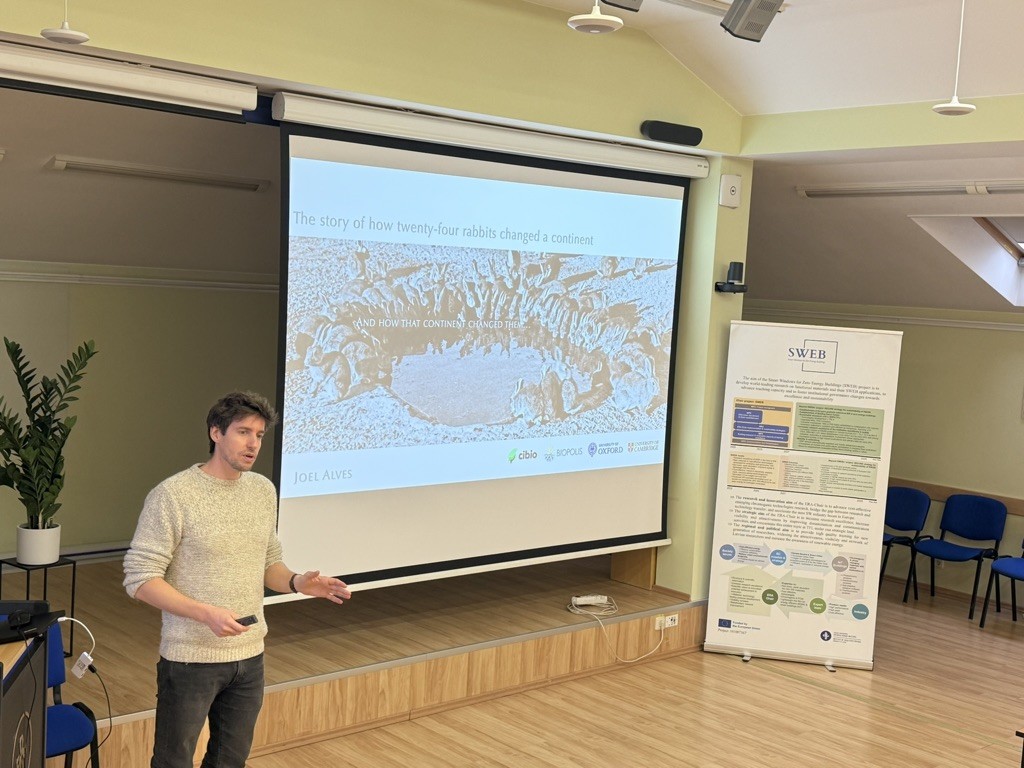
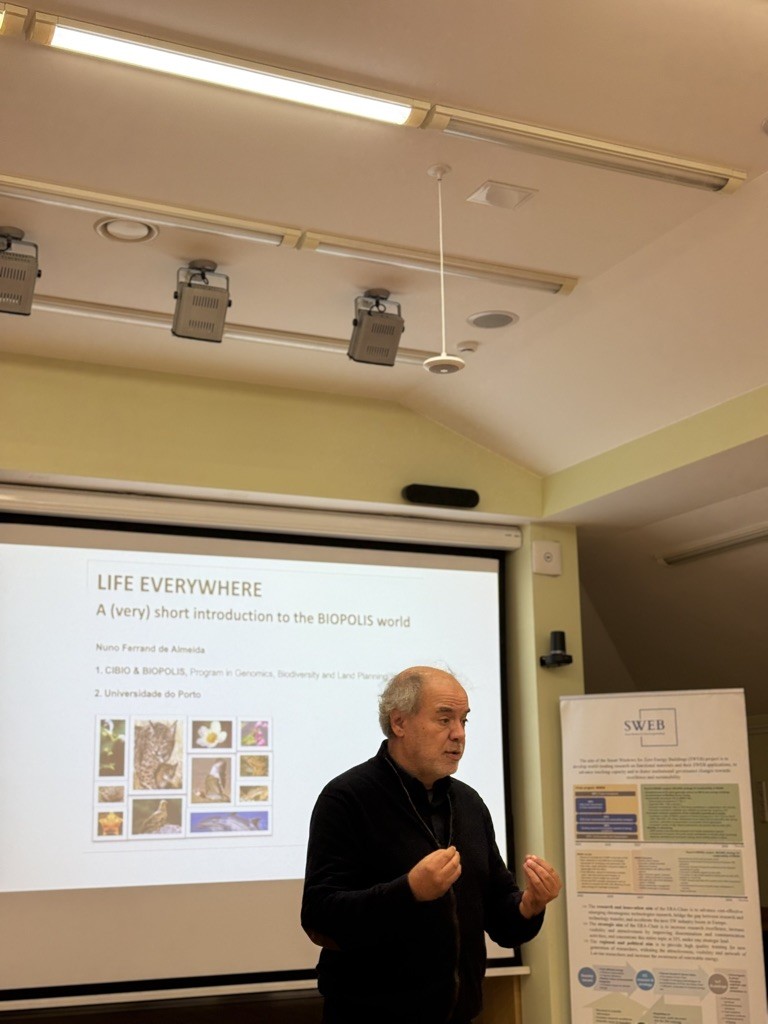
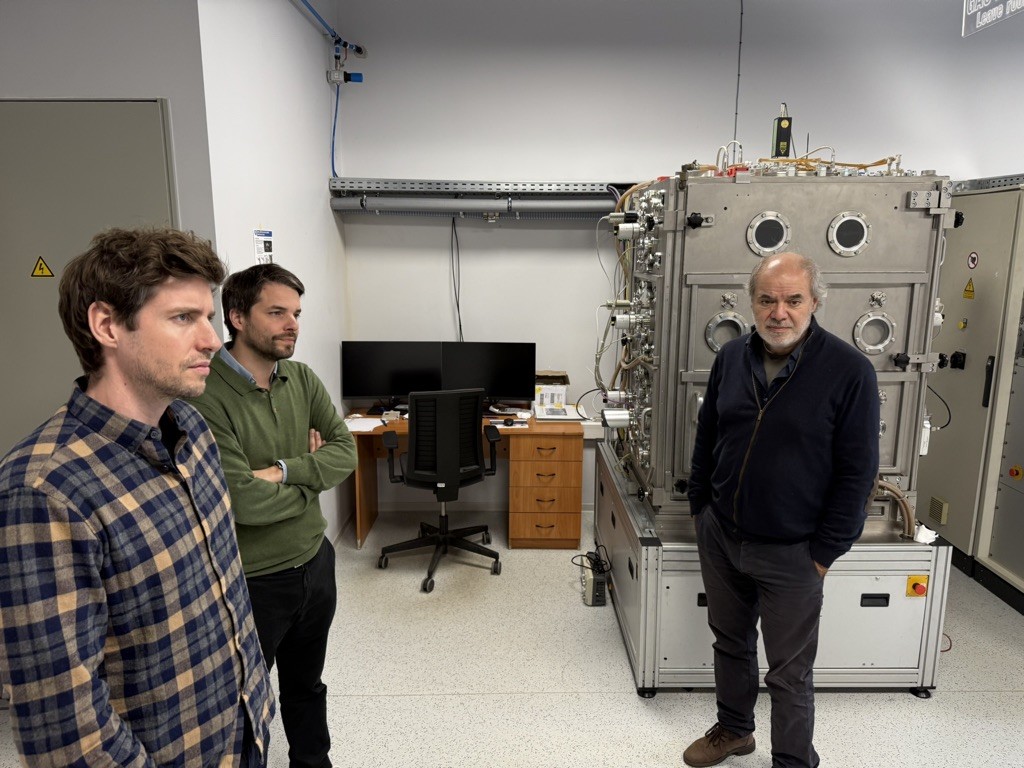
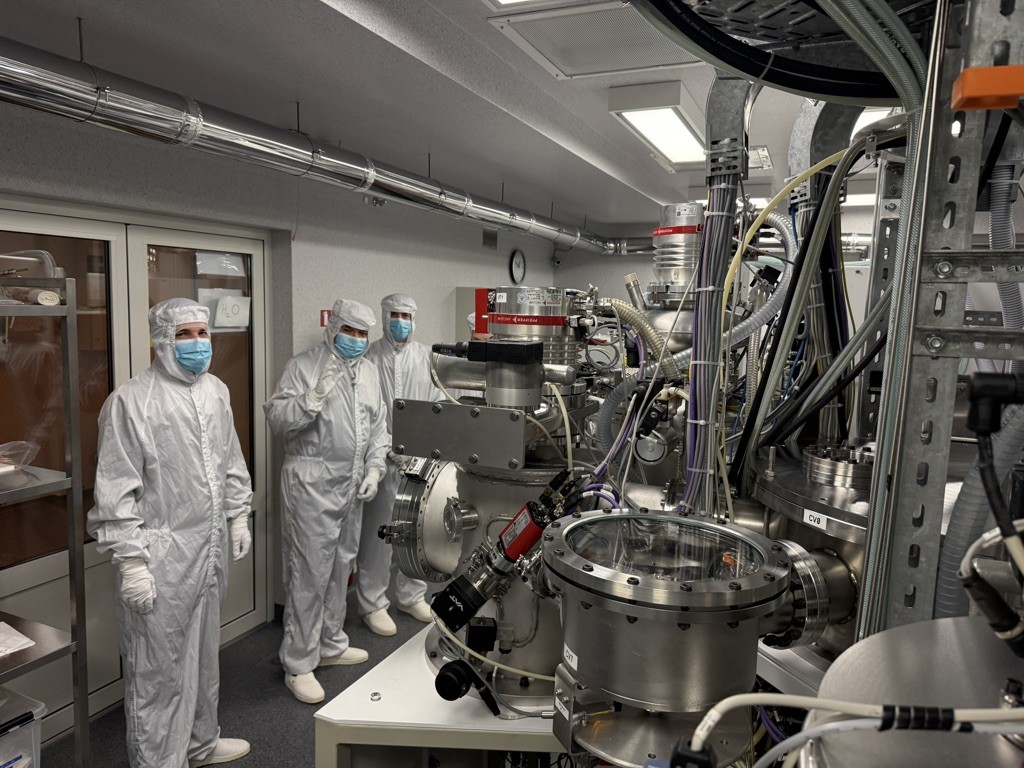
The Institute of Solid State Physics, University of Latvia (ISSP UL), experienced an engaging two-day international exchange on October 23 and 24, welcoming a delegation from BIOPOLIS and CIBIO, Portugal, under the SWEB project banner.
The visit was designed to expand our research horizons and delve into how institutions like ISSP UL can maximize their reach and impact within society. The atmosphere throughout the event was notably open and conversational, encouraging active participation from all attendees, especially our young researchers.
The Power of the Quadruple Helix
A major theme of the visit was the Quadruple Helix cooperation model. This strategy, championed by the European Commission, brings together Academia, Industry, Public Authorities, and Civil Society to ensure innovation genuinely serves citizens’ needs.
Prof. Nuno Ferrand de Almeida, Dr. José Pedro Reis, and Dr. Joel M. Alves from the BIOPOLIS team offered insightful, real-world examples. They demonstrated how engaging seemingly non-traditional partners—such as journalists, artists, and schools—can transform scientific outreach. A standout case, The Diary of a Scientist, achieved substantial public engagement with 115,000 visitors, proving the value of accessible scientific storytelling.
Practical Steps for Latvian Research
During the sessions at ISSP, discussions focused on how these inclusive practices can directly benefit research development in Latvia. The Portuguese guests outlined practical steps for strengthening institutional visibility, including:
- Developing targeted communication strategies.
- Utilizing stakeholder mapping to identify potential partners and institutional “levers.”
- Building broad partnerships to dramatically improve competitiveness in major European programmes.
Looking Ahead to 2026
The exchange culminated on October 24 with a focused roundtable that brought together the SWEB and FeLow-D teams. Participants explored concrete topics of mutual interest for 2026 proposals, with a specific emphasis on strategies for the EIC Pathfinder Open call and opportunities within Horizon Europe related to environmental monitoring and water quality. This dialogue successfully highlighted several themes where combined expertise could lead to strong, interdisciplinary contributions.
The SWEB project places strong value on developing skills that extend beyond disciplinary boundaries. This insightful visit strongly supported that goal by providing a clear demonstration of how cross-sector cooperation strengthens scientific excellence and ensures our research has a sustainable, real-world impact.
Leave a Reply